Houston, Texas · Residential & Commercial
Fire and Smoke Damage Cleanup in Houston, TX
After a fire is controlled, smoke residue, soot, odors, damaged contents, and suppression water may affect several areas of a property. Request cleanup and recovery planning for a Houston-area home or business.
- Emergency service requests accepted 24/7
- Residential and commercial requests
- Assessment, cleanup, drying, and next-step planning
Property-specific assessment and planning
What Fire and Smoke Damage Cleanup May Include
After a fire is controlled, smoke residue, soot, odors, damaged contents, and suppression water may affect several areas of a property. Request cleanup and recovery planning for a Houston-area home or business.
The appropriate scope depends on the source, affected materials, safety conditions, access, contamination concerns, and how far moisture or residue has traveled. A participating provider should explain the proposed work before authorization.
For urgent requests, call (713) 532-9167. For non-life-safety requests, use the assessment form and describe the property, ZIP code, affected areas, source, and current conditions.
Common property conditions
When to Request an Assessment
Smoke and soot residue
Residue settles on walls, ceilings, furnishings, equipment, and contents.
Suppression water
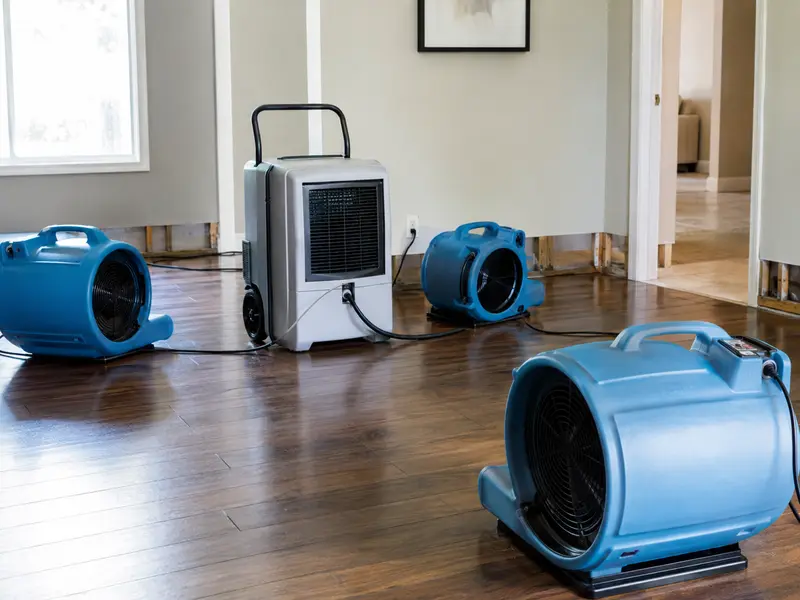
Water used during firefighting affects flooring, walls, cabinets, or lower levels.
Odor and air-quality concerns
Smoke odors remain in porous materials, enclosed spaces, and HVAC pathways.
Damaged contents and finishes
Heat, residue, and water affect building finishes, belongings, or commercial equipment.
From intake to recovery planning
A Typical Service Process
- 01
Safety clearance
Confirm the property is released for entry and identify restricted or unstable areas.
- 02
Damage assessment
Evaluate smoke, soot, water, odor, materials, and affected contents.
- 03
Stabilization planning
Prioritize water removal, temporary protection, and measures that limit further impact.
- 04
Cleaning and drying
Coordinate appropriate residue cleaning, drying, and odor-control work.
- 05
Recovery planning
Document conditions and organize material, content, and repair decisions.
Residential and commercial requests
Property-Specific Priorities
Residential
Homes, rentals, and multifamily properties
Requests may involve occupied rooms, belongings, flooring, cabinets, shared walls, and coordination with owners, residents, or property managers.
Commercial
Offices, retail, hospitality, and managed facilities
Commercial planning may consider access, safety, operations, equipment, tenant communication, documentation, and phased work.
Common questions
Fire and Smoke Damage Cleanup FAQ
When can cleanup begin?
Cleanup should begin only after emergency authorities have controlled the incident and the property is cleared for appropriate entry.
Does fire cleanup include water damage?
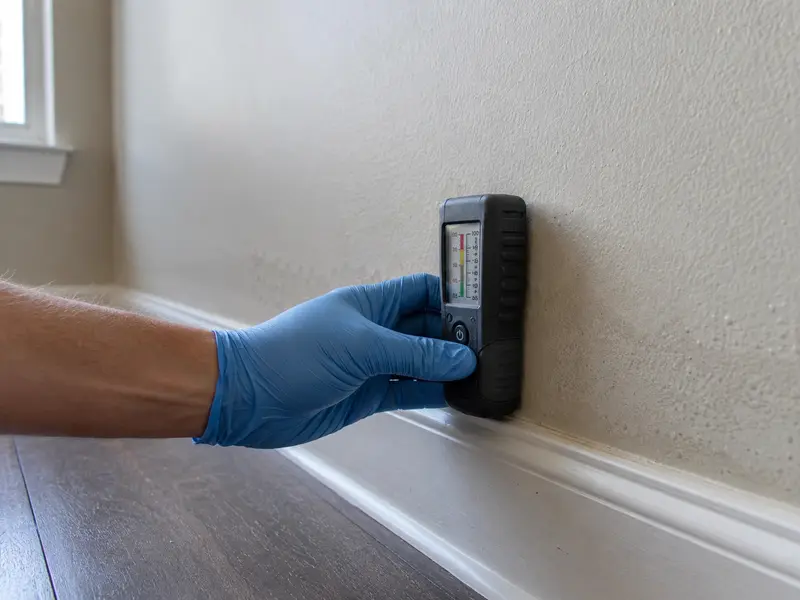
It may. Suppression water and damaged plumbing can require extraction, moisture assessment, drying, and material evaluation.
Can smoke affect rooms away from the fire?
Yes. Smoke and airborne residue can move into adjacent rooms, contents, and building systems depending on the incident.
Request assessment
Tell Us About the Property
For urgent conditions, calling is the fastest way to explain what happened. For other requests, include the ZIP code, property type, source, affected areas, and known hazards.
Do not submit insurance policy documents, payment information, Social Security numbers, medical records, government IDs, or other sensitive information.
Request Assessment
Submitting a request does not create an obligation to purchase services.