Houston, Texas · Residential & Commercial
Emergency Water Extraction in Houston, TX
Standing water from a burst pipe, supply-line leak, appliance failure, or overflow can spread quickly into floors, walls, cabinets, and adjoining rooms. Request 24/7 emergency water extraction for a Houston-area home, rental, or commercial property.
- Emergency service requests accepted 24/7
- Residential and commercial property support
- Standing-water removal, moisture assessment, and drying preparation
Standing-water removal and next-step planning
What Emergency Water Extraction May Include
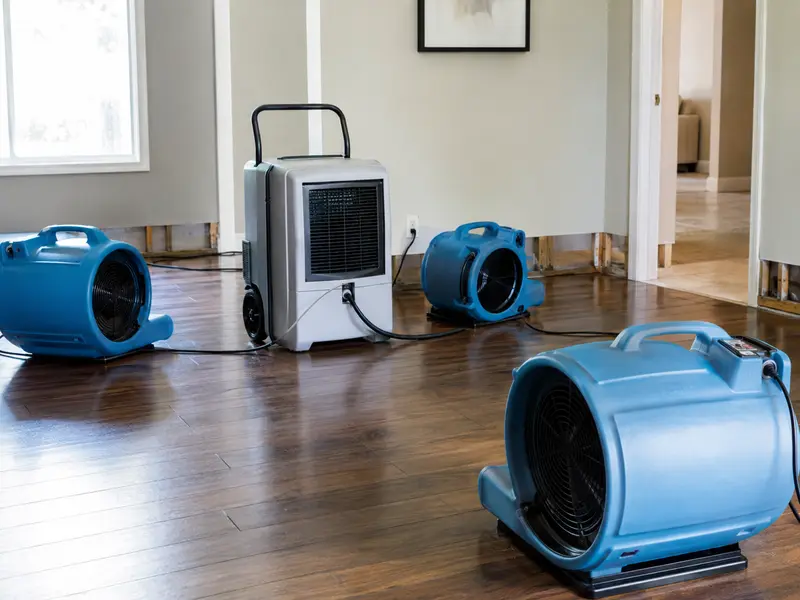
Emergency water extraction focuses on removing standing water quickly and identifying moisture that may have spread beneath flooring, behind baseboards, into drywall, cabinets, insulation, or framing. Moisture can move beneath flooring, behind baseboards, into drywall, around cabinets, and through insulation or framing. The work may combine water mitigation, moisture detection, controlled removal of affected materials, structural drying, cleaning, and documentation.
The extraction plan depends on the water source, depth, affected area, building access, possible contamination, and whether electricity or structural stability creates a hazard. A leaking supply line, roof intrusion, appliance overflow, storm event, and sewage backup require different safety and cleanup decisions.
For urgent help, call (713) 532-9167. For a non-life-safety request, use the assessment form and provide the property ZIP code, water source, affected rooms, and whether water is still entering the property.
Different sources require different decisions
When Emergency Water Removal May Be Needed
Water damage repair in Houston may begin with a sudden emergency or a slower moisture problem that becomes visible over time.
Burst or Leaking Pipes
Supply lines, plumbing connections, and hidden pipe leaks can affect walls, ceilings, floors, cabinets, and nearby rooms.
Appliance or Water-Heater Failures
Washing machines, dishwashers, refrigerators, and water heaters can release water across finished surfaces and into adjoining materials.
Roof and Building-Envelope Leaks
Damaged roofing, flashing, windows, or exterior penetrations may allow water into ceilings, insulation, drywall, and framing.
Storm and Flood Intrusion
Heavy rain, drainage problems, and exterior flooding may affect ground floors, garages, commercial spaces, and building contents.
Plumbing Overflows
Sink, tub, shower, and toilet overflows require evaluation of the water source, affected area, and possible contamination.
HVAC and Condensation Moisture
Drain-line problems, condensation, and persistent humidity can create damp materials even when no large pool of water is visible.
Conditions that call for prompt action
Signs You May Need Emergency Water Extraction
Some water losses are obvious. Others appear as changes in surfaces, odor, or indoor moisture conditions. A professional assessment may be appropriate when the source or extent of damage is uncertain.
Standing or pooled water
Water remains on floors, beneath appliances, or inside a lower area of the property.
Staining or surface changes
Ceilings, drywall, paint, baseboards, flooring, or cabinets show discoloration, swelling, bubbling, or warping.
Persistent damp or musty odor
An odor remains after visible water is gone or appears near a previously wet area.
Unexpected moisture or humidity
Condensation, damp materials, or elevated indoor moisture continues without a clear cause.
Water near electrical systems
Water is present near outlets, appliances, electrical panels, or wiring. Keep away and treat this as a safety concern.
Damage extending beyond one room
Water has moved through doorways, under flooring, down walls, or between levels of the building.
From emergency intake to drying preparation
The Emergency Water Extraction Process
The order and scope may change based on site conditions, but a restoration project commonly follows these stages.
- 01
Emergency Intake
Share the source, affected rooms, property type, ZIP code, current conditions, and any known hazards.
- 02
Inspection and Moisture Assessment
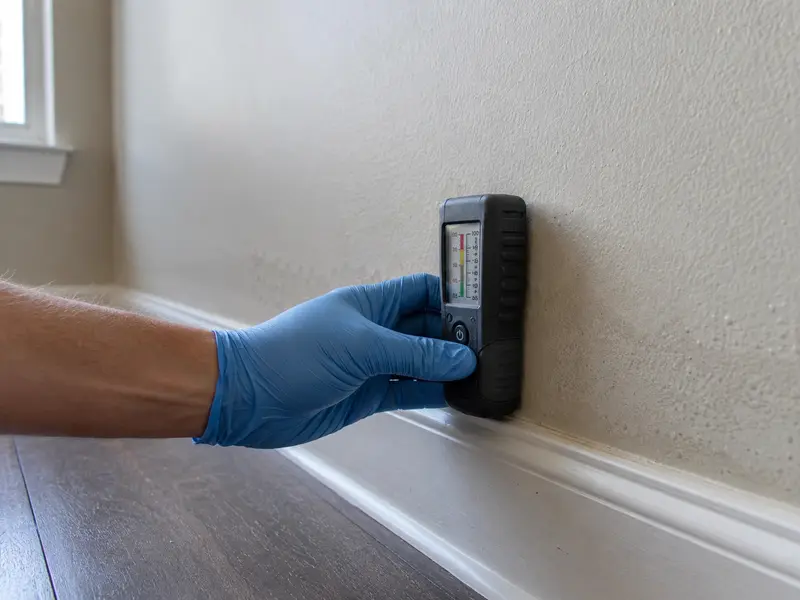
Visible damage and moisture conditions are evaluated to identify affected materials and define a proposed scope.
- 03
Water Extraction
Standing water may be removed to help limit continued spread and prepare affected areas for drying.
- 04
Material Evaluation
Wet materials are assessed for drying, cleaning, removal, or later repair based on condition and water source.
- 05
Structural Drying and Monitoring
Drying and dehumidification equipment may be used while moisture conditions are checked over time.
- 06
Cleaning, Documentation, and Recovery Planning
Cleaning needs, service records, and any repair or reconstruction steps are organized for the property owner or manager.
Different properties, different priorities
Residential and Commercial Water Extraction
Homes and rentals
Residential Emergency Water Extraction in Houston
Homeowners, landlords, and tenants may need help after plumbing failures, roof leaks, appliance overflows, storm intrusion, or moisture affecting living spaces. The assessment should consider occupants, belongings, flooring, cabinets, drywall, insulation, and access to affected rooms.
- Houses, townhomes, condos, and apartments
- Owner-occupied and rental properties
- Kitchens, bathrooms, bedrooms, garages, and living areas
- Communication for owners, tenants, or property managers
Businesses and managed buildings
Commercial Emergency Water Extraction in Houston
Commercial properties may require coordinated access, occupant communication, equipment protection, documentation, and phased work around operating needs. Facility managers and owners should identify safety restrictions, affected business areas, building contacts, and access windows during intake.
- Offices, retail spaces, and restaurants
- Multifamily and managed properties
- Warehouses and light commercial facilities
- Documentation for owners and facility teams
Related restoration needs
Related Services After Water Extraction
The correct service depends on the water source, contamination, affected materials, and current property conditions.
Houston-area emergency request coverage
Water Damage Help for Houston-Area Properties
Houston contains a wide mix of detached homes, apartments, multifamily buildings, retail spaces, offices, restaurants, and industrial properties. Water-loss planning should account for the building type, occupancy, access, affected materials, and whether the property can remain safely occupied.
Service requests may be accepted in Houston neighborhoods such as Downtown, Midtown, Montrose, the Heights, Memorial, Westchase, the Energy Corridor, Uptown, Clear Lake, and Kingwood, as well as parts of Harris County. Availability varies by ZIP code and provider coverage.
Call (713) 532-9167 to confirm service availability for the property location. No physical Houston office address is represented on this page.
Organize the property record
Insurance Documentation Support
When requested, emergency water extraction documentation may include photographs, moisture readings, affected-area notes, and descriptions of services performed or recommended. These records can help the property owner, manager, or tenant organize a conversation with an insurance adjuster.
Keep the claim number, policyholder name, adjuster contact information, and insurer instructions available. Do not send sensitive financial, medical, identity, or full policy documents through the website form.
Insurance coverage, deductibles, claim approval, payment, and reimbursement decisions are made by the insurance carrier. No claim outcome is promised.
Clear expectations during a stressful event
Why Property Owners Request Professional Help
Identify more than visible water
Moisture may remain inside or beneath building materials after surface water is removed.
Match the plan to the water source
Clean-water leaks, stormwater, and sewage-related incidents require different handling and safety decisions.
Coordinate drying and monitoring
Drying equipment, access, material condition, and moisture checks may need to be managed over time.
Document affected areas
Organized photographs, readings, notes, and service information can support property and insurance records.
Service questions
Emergency Water Extraction Houston FAQ
These answers explain common service, safety, documentation, and coverage questions. Property conditions must be assessed individually.
What should I do first if I find water damage?
If there is a fire, gas odor, electrical hazard, visible structural failure, or any threat to life, leave the area and call 911. Otherwise, avoid standing water near electrical sources and stop the water source only when you can do so safely. Then call (713) 532-9167 and describe the source, affected rooms, and any known hazards.
What does emergency water extraction include?
Emergency water extraction may include an initial assessment, moisture detection, standing-water extraction, removal of unsalvageable materials, structural drying, dehumidification, cleaning, and documentation. The actual scope depends on the water source, contamination level, affected materials, and property conditions. Repairs or reconstruction may be discussed separately when needed.
How long does emergency water extraction take?
The timeline varies by the amount of water, materials affected, ventilation, humidity, contamination, and repairs required. A small clean-water incident may need a different plan than widespread flooding or sewage damage. No responsible timeline can be confirmed until the property and moisture conditions have been assessed.
Can you help with residential and commercial properties?
Yes. Service requests are accepted for homes, apartments, rental properties, offices, retail spaces, multifamily buildings, warehouses, and other commercial properties in the Houston area. Commercial projects may require access coordination, occupant planning, phased drying, or documentation for owners and facility managers.
Do you help with insurance documentation?
Documentation support may include photographs, moisture readings, affected-area notes, and a description of services performed or recommended. These records can help organize conversations with an adjuster. Coverage, deductibles, approval, payment, and claim decisions remain the responsibility of the insurance carrier.
When is water extraction needed?
Water extraction is typically considered when standing or pooled water remains after a pipe break, overflow, appliance failure, roof leak, storm intrusion, or flooding event. Extraction is only one stage; moisture may remain inside flooring, walls, cabinets, insulation, or framing and may require additional drying and monitoring.
Can water damage lead to mold?
Persistent moisture can support mold growth, which is why the water source and damp materials should be addressed promptly. Mold conditions vary, and not every water-loss project requires the same remediation steps. If visible growth, musty odors, or prior moisture problems are present, a separate mold assessment may be appropriate.
Which Houston areas can request service?
Service requests may be accepted throughout Houston and parts of Harris County, including Downtown, Midtown, Montrose, the Heights, Memorial, Westchase, the Energy Corridor, Uptown, Clear Lake, and Kingwood. Nearby community availability varies, so call with the property ZIP code to confirm coverage before authorizing service.
Tell us what happened
Request Emergency Water Extraction Help
Call now for an emergency service request, or submit the form for assessment follow-up.
Service request
Tell Us About the Property
For urgent water damage, calling is the fastest way to explain the situation. For other requests, include the property type, ZIP code, water source, affected rooms, and whether water is still entering.
Do not submit insurance policy documents, payment information, Social Security numbers, medical records, government IDs, or other sensitive information.
Request Assessment
Submit the service request form and provide a working callback number.
Submitting a request does not create an obligation to purchase services.